Ball box
Separate match, training and soft balls so feeder and receiver know what is coming. Retire split or misshapen equipment.
The fieldbook supports a conversation about preparation. It does not inspect a venue, diagnose injury, certify equipment, decide return to play or replace qualified coaching, medical, safeguarding or emergency guidance.
Walk the active area. Match ball and protective equipment to the planned activity. Make waiting positions visible. Name who may pause play and when a ball may be collected.
These prompts are not a certificate or guarantee. When the local process is stricter, the local process governs.
Separate match, training and soft balls so feeder and receiver know what is coming. Retire split or misshapen equipment.

Inspect grip, handle, splice, face and edges. Keep a clear bat-length circle around every active swing.

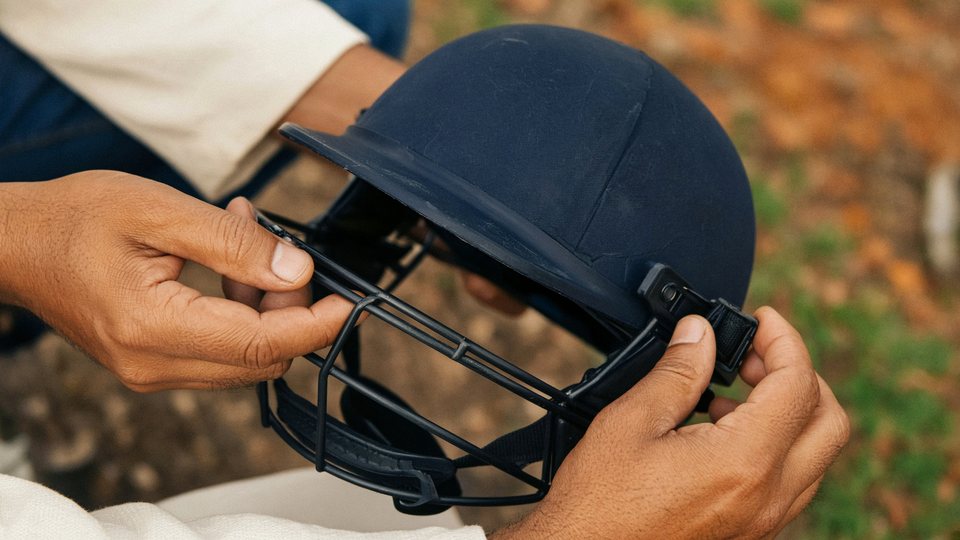
Match helmet, pads, gloves and other protective equipment to the ball, activity, participant and applicable rules.
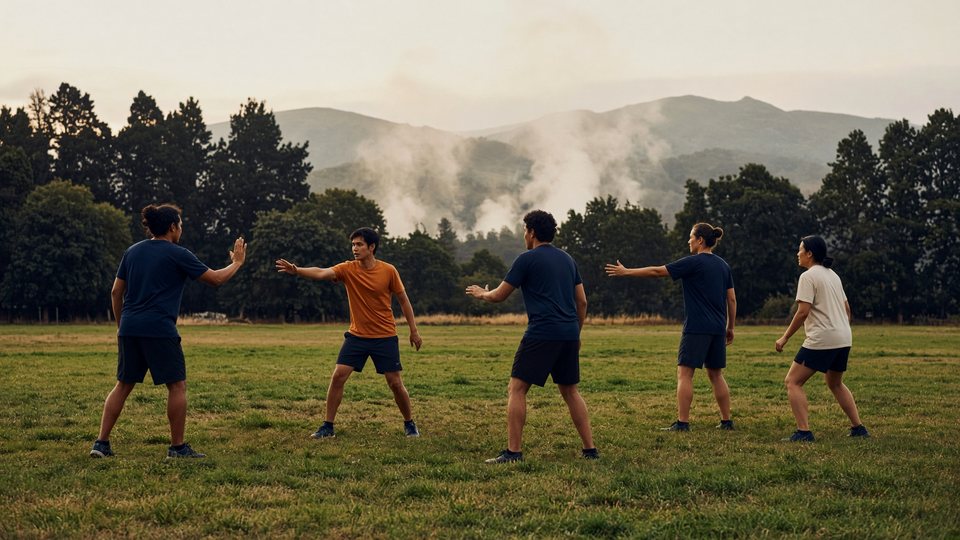
Use visible low-profile markers and keep bags, bottles and spare equipment outside running and throwing lanes.

Know the applicable first-aid arrangement, access route and emergency process before activity begins.

Make breaks predictable, account for heat and fatigue, and keep water away from balls, bats and run-through lanes.
Pause if someone enters the delivery lane, cannot track the ball, reports pain or distress, or conditions change unexpectedly.
Reassess after rain, damage, collision, boundary changes or any interruption that alters the original plan.
Follow the applicable venue, organisation and emergency process. For urgent danger in New Zealand, use emergency services—not an app workflow.